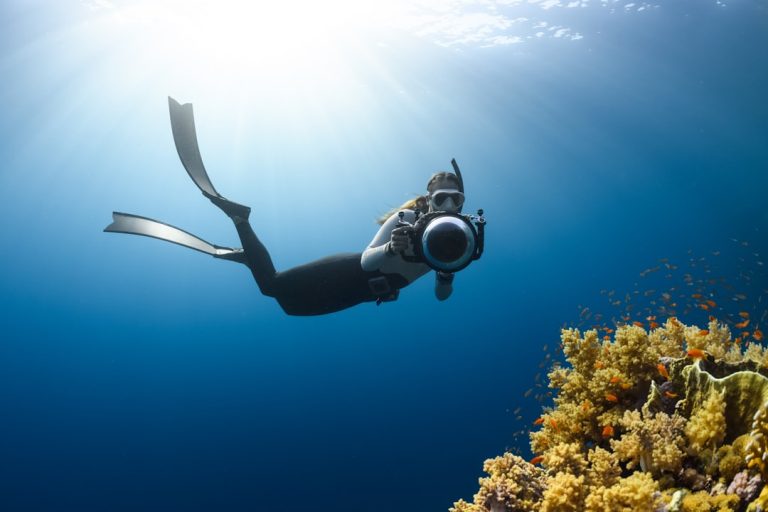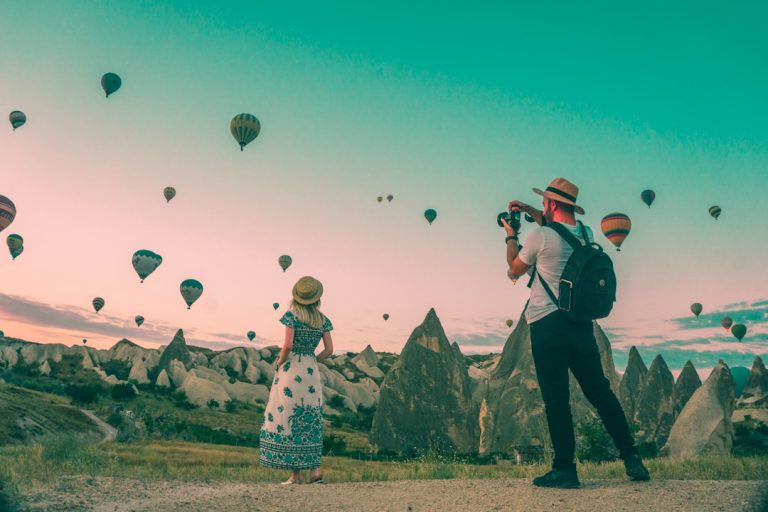
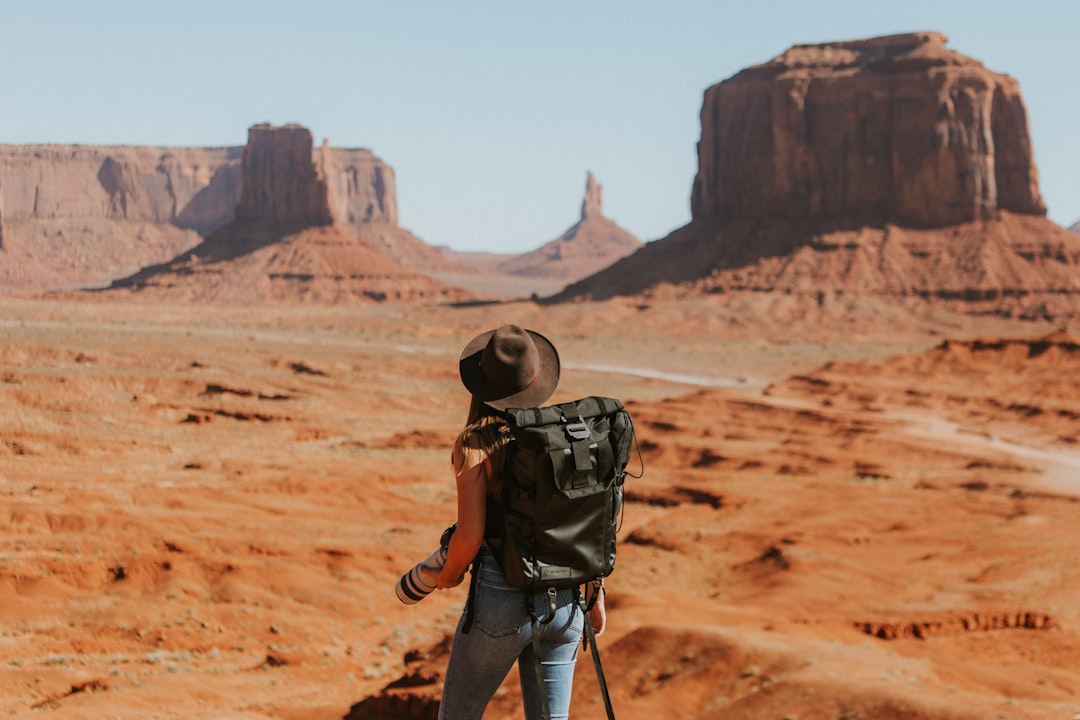
In a world that often prioritizes speed and efficiency, the concept of slow travel is emerging as a refreshing alternative for those seeking deeper connections with their destinations. Unlike the frenetic pace of traditional tourism, slow travel invites us to immerse ourselves in the cultures, communities, and environments we visit, encouraging a more mindful and enriching experience.
The essence of slow travel lies in its simplicity. It’s about choosing quality over quantity, opting for meaningful interactions and experiences rather than ticking off a list of landmarks. This approach allows travelers to truly engage with the places they visit, fostering a greater appreciation for local customs, cuisine, and history. By spending more time in fewer locations, travelers can develop a sense of belonging, forging connections that go beyond the superficial.
One of the most significant benefits of slow travel is its positive impact on the environment. By reducing the need for constant transportation and focusing on sustainable practices, slow travelers can minimize their carbon footprint. This might mean choosing train journeys over flights, staying in eco-friendly accommodations, or participating in local conservation efforts. Not only does this approach help preserve the planet, but it also enhances the travel experience by encouraging a more thoughtful and intentional way of exploring.
From a psychological perspective, slow travel offers a reprieve from the relentless demands of modern life. It provides an opportunity to unplug, unwind, and reconnect with oneself. Without the pressure of a packed itinerary, travelers can indulge in moments of spontaneity, whether it’s a leisurely stroll through a quaint village, a long lunch at a family-run restaurant, or a quiet afternoon spent reading in a park. These moments of reflection and relaxation can lead to greater personal growth, creativity, and overall well-being.
The beauty of slow travel is that it’s accessible to everyone, regardless of budget. For those on a tight budget, slow travel can be a cost-effective way to see the world. By staying in one place longer, travelers can take advantage of discounts on accommodations, build relationships with locals, and discover affordable hidden gems off the beaten path. On the other hand, luxury travelers can elevate their experience by investing in bespoke tours, exclusive experiences, and high-quality services that enhance their understanding and appreciation of a destination.
Ultimately, slow travel is about the journey rather than the destination. It’s a mindset that encourages us to savor each moment, appreciate the beauty around us, and embrace the unexpected. As more travelers seek meaningful experiences that resonate on a deeper level, slow travel is poised to become a defining trend in the future of tourism. So, next time you plan a trip, consider taking it slow. You might just discover a whole new way of seeing the world.